
Dolmabahce Palace: Ottoman Grandeur Goes European
Dolmabahce traded the courtyards of old Ottoman palaces for crystal staircases and European salons, marking the empire's turn toward the modern age.
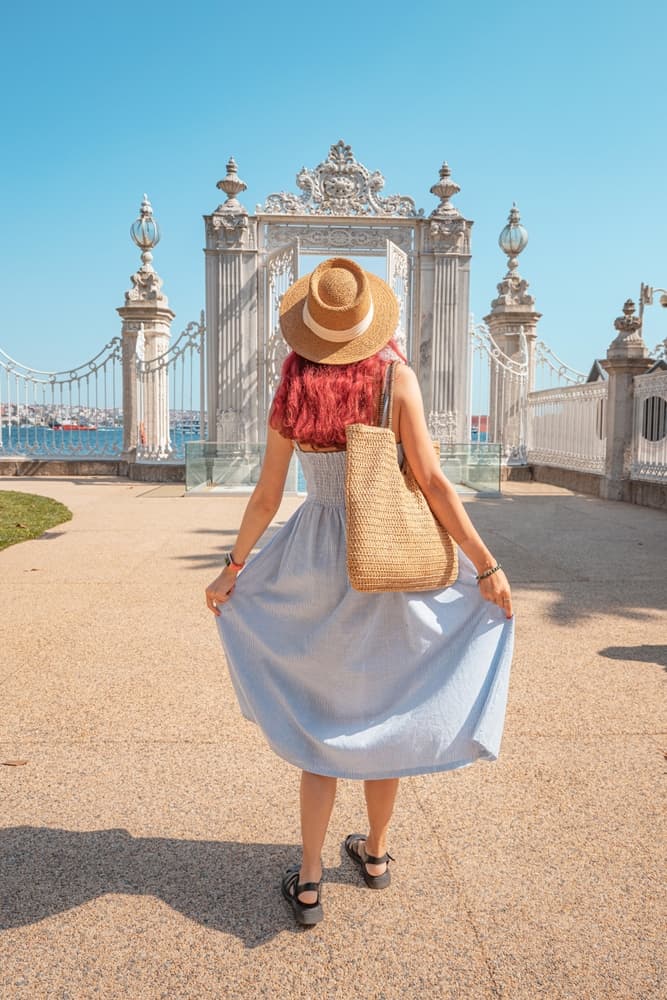
A Garden Filled In, a Palace Raised Up
Sultan Abdülmecid I commissioned Dolmabahçe in 1843 and saw it completed in 1856 after more than a decade of work. The name means "filled garden," a nod to the bay that was packed in to create the site. For the next several decades, from 1856 until 1922, it served as the empire's main administrative palace, embodying a deliberate Ottoman turn toward European fashion and modern statecraft.
A Showcase of Crystal and Gold
The architecture fuses Baroque, Rococo and Neoclassical European styles with traditional Ottoman elements. The famous crystal staircase is built from Baccarat crystal, brass and mahogany, while the Ceremonial Hall soars beneath a 36-meter dome hung with a 4.5-ton Bohemian crystal chandelier, said to be a gift from Queen Victoria. Beyond the grand state apartments, the Selamlık, lies the Harem, the private family quarters wrapped in intricate decoration. Don't rush past the gardens, which open onto the Bosphorus.
The palace also carries deep national significance as the place where Atatürk spent his final days, and a preserved memorial room marks his legacy.
Planning Your Visit
Dolmabahçe stands on the European shore in the Beşiktaş district, easiest to reach by tram to Kabataş, or by bus, ferry or taxi. It generally opens from 9:00 to 17:00 and closes on Mondays, though it pays to double-check before setting out.
Tickets are priced by section, with discounts for students, seniors and groups, and you can buy online to skip part of the queue. Guided tours run around 1.5 to 2 hours in several languages. Remember that interior photography is restricted, some areas have limited wheelchair access due to the historic layout, and early mornings or weekdays are the calmest times to go. Nearby you'll find the Naval Museum, Ortaköy Mosque and Taksim Square.
FAQ
What is the connection to Ataturk?
Mustafa Kemal Atatürk, founder of the Turkish Republic, used Dolmabahçe as his Istanbul residence and died there on 10 November 1938. His room is preserved as a memorial, and the palace clocks are traditionally stopped at the time of his passing.
Can I take photos inside?
Photography is allowed in the gardens and outdoor areas but generally not inside the palace itself. Plan to put the camera away once you step into the state rooms and harem.
When is the palace closed?
Dolmabahçe is typically closed on Mondays and otherwise open from around 9:00 to 17:00. Hours can change, so it is worth confirming before you go, and early weekday visits are quietest.